


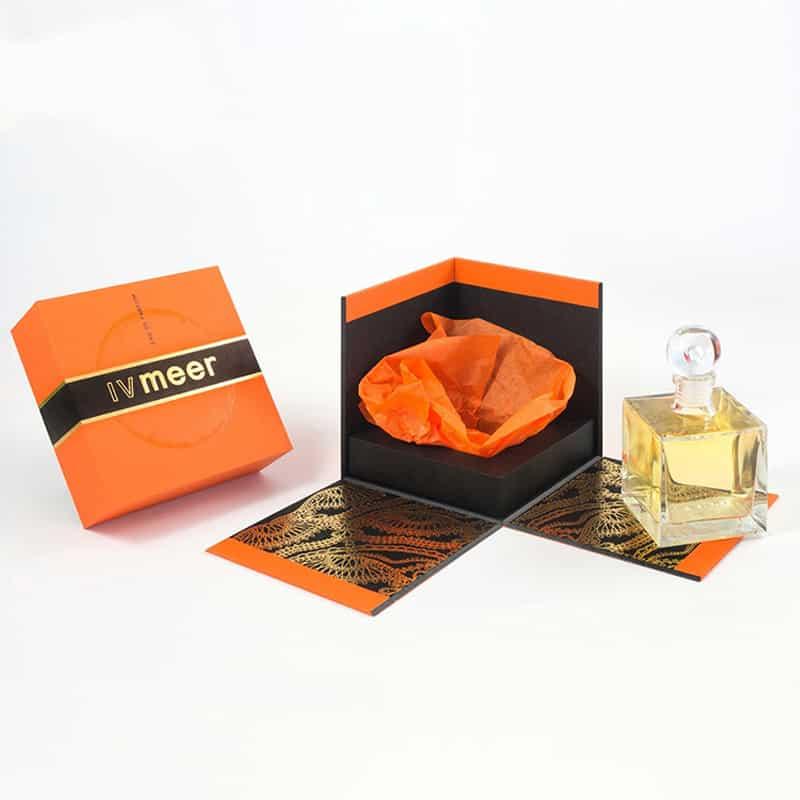
Designing perfume packaging with a circular approach means creating solutions that reduce waste, extend product life, and support sustainability. It's about rethinking how we use materials and how we design the product's journey from creation to end-of-life. In this guide, we'll explore how to apply circular design principles to perfume packaging systems using natural and organic methods.
Understanding the Circular Design Approach in Packaging
Circular design is different from the traditional, linear approach. In a linear system, packaging is created, used, and then thrown away. But in a circular system, the goal is to reuse, recycle, or regenerate materials. This change reduces environmental harm and helps save resources.
In perfume packaging, this means designing bottles, boxes, and containers that are not just attractive but also easy to recycle or refill. The design should start with considering the end life of the product. Designers need to ask: What happens when the customer finishes the perfume? Can they reuse the container? Can it be easily separated into parts for recycling?
Material selection is key. Use glass, biodegradable plastics, or natural fibers. These materials break down better or can be reused. Labels and glues should also be eco-friendly. Avoid mixed materials that are hard to separate during recycling.
Brands must educate customers too. Adding information on how to recycle the packaging helps increase proper disposal. This also shows that the brand cares about the planet.
Circular design doesn’t mean losing beauty or luxury. It means combining elegance with responsibility. Smart choices in material and form can still deliver a premium feel. With growing customer interest in sustainable products, this approach becomes both an environmental and marketing advantage.
Using Natural Materials in Outer Packaging
The outer packaging of a perfume plays a big role in customer appeal. However, it is also where most waste occurs. Switching to natural and biodegradable materials reduces the impact on the environment while still looking beautiful.
Materials like recycled cardboard, bamboo, and organic cotton are great choices. These are not only renewable but also easy to shape and print on. Hemp-based paper or mushroom packaging are newer options that offer both uniqueness and sustainability.
Natural dyes and inks are better than synthetic ones. They don’t release harmful chemicals during printing or recycling. This is safer for workers and the environment.
One of the biggest advantages of using natural materials is how they connect with eco-conscious buyers. People feel more trust and admiration toward brands that show responsibility. This improves brand loyalty and encourages repeat purchases.
Designers must ensure that natural packaging is strong enough to protect the perfume bottle inside. This may require testing different thicknesses or finishes. But with proper planning, natural packaging can meet all the requirements of strength, safety, and style.
There’s also a marketing story here. A brand using natural materials can share how and where the packaging is sourced. This adds a human and environmental touch to the product story, making it more meaningful to the buyer.
Rethinking Bottle Design for Reusability
The bottle is the core of any perfume package. Traditionally, bottles are made to be used once and thrown away. A circular approach encourages brands to design bottles that can be refilled, reused, or returned.
Glass is a preferred material for circular bottle design. It is durable, recyclable, and gives a high-end look. A refillable glass bottle allows the user to keep the original design while reducing waste. Some brands even offer refill stations at stores or provide refill pouches.
The shape of the bottle also matters. Avoid complex forms that are hard to clean or recycle. Choose standard shapes that are easier to handle and refill. Also, ensure that all parts of the bottle, like caps and sprays, can be taken apart. This helps recycling centers separate materials more efficiently.
Designing with reuse in mind changes the way we see perfume packaging. The bottle becomes a long-term object, not a disposable one. Customers begin to value it more, often treating it like a collectible item. This extends its life and reduces the need for new production.
Adding a small label or engraving that tells users the bottle is reusable or recyclable can also improve their behavior. It makes them think before tossing it out. Small changes in bottle design can lead to big shifts in environmental impact.
Embracing Minimalism in Package Design
Minimalist design supports circular thinking. It means using fewer materials, simpler shapes, and less decoration. This doesn’t make the product look cheap. Instead, it highlights quality and purpose.
Minimal packaging uses fewer resources and creates less waste. A single layer of recycled paper, well-folded and printed with plant-based ink, can be enough to create a beautiful box. This not only reduces cost but also environmental footprint.
Avoid plastic wraps or inserts unless they are biodegradable. A perfume box can still protect the bottle with folded cardboard or pulp inserts. These are compostable and recyclable.
Minimalism also improves shipping. Lightweight and compact packaging saves fuel and reduces emissions during transport. It also lowers shipping costs.
Many luxury brands are now turning toward minimalist design. This shows that customers accept and appreciate simpler, eco-friendly packaging. They value honesty and functionality more than over-the-top designs.
Minimalism requires creativity. With fewer elements, every part must be well thought out. Texture, typography, and structure must work together to create an emotional impact. This makes the design not only beautiful but also responsible.
Making Supply Chains Transparent and Sustainable
A circular packaging system is incomplete without a responsible supply chain. It’s important to know where materials come from and how they are processed. This helps ensure they are safe, ethical, and eco-friendly.
Start by sourcing materials locally where possible. This reduces the carbon footprint from transportation. Also, work with suppliers who follow fair labor practices and use renewable resources.
Tracking the journey of packaging materials from source to store is key. Using digital tools, QR codes, or apps can help customers learn about the product’s life cycle. This builds trust and improves brand reputation.
Partnerships with certified suppliers (like FSC-certified paper or GOTS-certified fabrics) also strengthen sustainability claims. These certifications prove that the materials are responsibly sourced and processed.
Waste management is another part of the supply chain. Brands should check how their packaging is handled after use. Are the materials easy to recycle in most countries? Do they require special treatment?
By improving supply chain transparency, companies reduce risk, improve quality, and build stronger relationships with customers. In today’s world, transparency is no longer optional—it’s expected.
Encouraging Customer Participation in Recycling
Customers play a key role in the circular design system. If they don’t recycle or reuse the packaging, the effort is wasted. Brands need to make recycling easier and more attractive.
Clear labeling helps. Show symbols that indicate what can be recycled and how. Include brief instructions if needed. Avoid confusing signs or mixed messages.
Incentives can motivate behavior. Offer discounts or rewards for returning empty perfume bottles. Create a loyalty program that encourages refills instead of new purchases.
Here are a few ways to involve customers:
- Add a QR code that explains how to recycle each part of the packaging.
- Launch a take-back program where users can return empty bottles.
- Use social media to educate customers about sustainable actions.
- Tell stories of how recycled items are turned into new products.
Customers want to be part of a bigger purpose. If they know their actions help reduce waste, they feel good about buying your product. In return, they are more likely to support your brand long-term.
Innovating with Refill Systems and Modular Designs
One of the strongest solutions in circular design is the refill model. Instead of throwing away the whole perfume package, users can refill it multiple times. This reduces material use and waste.
Modular design supports this idea. Create bottles where the core perfume holder can be replaced or refilled while the outer shell remains. This saves on glass, metal, and decorative elements.
Some refill systems involve pouches made from recyclable materials. Others allow users to buy refill cartridges. Both methods are better than creating new packaging each time.
The key is to make the refill process simple and clean. If it feels messy or complicated, people won’t use it. So, the design should focus on ease of use and hygiene.
This also opens up new business models. Brands can sell larger refill bottles for home use, or smaller travel refills. Subscription services can offer regular deliveries of refills. All of this creates new revenue while supporting sustainability.
Adding instructions or visuals on the packaging helps users refill with confidence. A small step like this can greatly improve adoption of refill models.
Designing with End-of-Life in Mind
A circular design approach always considers what happens after the product is used. This step is often forgotten in traditional packaging. But thinking about end-of-life leads to smarter decisions.
Use mono-materials where possible. A box made entirely of one type of paper is easier to recycle than one made of mixed layers. Make sure glue, ink, and coatings are also recyclable or biodegradable.
Avoid materials that are hard to separate or clean. For example, a glass bottle with a metal spray top glued on tightly is difficult to recycle. Design with separation in mind.
Provide guidance on disposal. This can be printed on the box or shown through digital channels. Let users know whether to compost, recycle, or return the packaging.
End-of-life design also means avoiding overproduction. Producing only what is needed, and using leftover materials creatively, reduces waste.
In perfume boxes packaging, applying these ideas results in systems that not only look good but also protect the planet. When packaging is made with its entire life cycle in mind, it becomes more than a container—it becomes part of a solution.
Conclusion
Circular design for perfume packaging systems is no longer a trend. It's a necessity. By using natural materials, rethinking structure, involving customers, and planning for end-of-life, brands can create sustainable, beautiful packaging. These steps support the planet and improve business at the same time. Through careful planning and smart design, perfume packaging can evolve into a system that delights users while respecting the Earth.
Click Here : https://ibexpackaging.com/perfume-boxes/

 English
 Arabic
 French
 Spanish
 Portuguese
 Deutsch
 Turkish
 Dutch
Dutch
 Italiano
 Russian
 Portuguese (Brazil)
 Tiếng Việt