


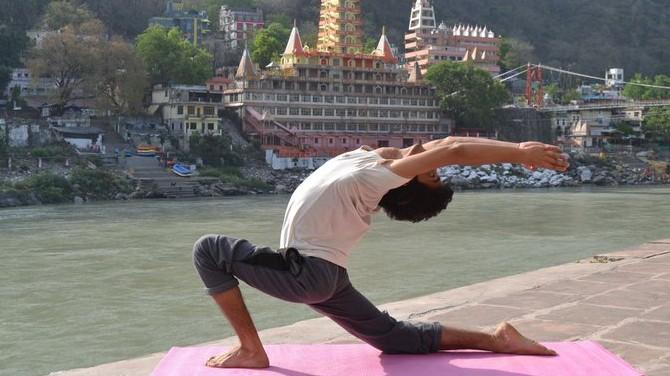
Yoga is more than a physical workout; it is a lifelong journey of self-discovery, discipline, and transformation. For many practitioners, attending regular classes eventually sparks a deeper curiosity. Questions arise about alignment, philosophy, breathwork, and the subtle aspects of practice that go beyond the mat. This is where a Yoga Teacher Training Course (TTC) becomes a powerful next step. Whether your goal is to teach professionally or simply to expand your personal understanding, enrolling in a Yoga TTC can profoundly deepen your practice while providing internationally recognized certification.
Understanding What a Yoga TTC Offers
A Yoga TTC is an immersive program designed to explore yoga in its complete form—physical postures (asanas), breathing techniques (pranayama), meditation, anatomy, teaching methodology, and yogic philosophy. Many certified courses follow guidelines set by organizations such as Yoga Alliance, ensuring that the curriculum meets global standards.
These programs are typically offered in 200-hour, 300-hour, and 500-hour formats. A 200-hour TTC is ideal for those starting their teaching journey, while advanced practitioners may choose 300-hour or 500-hour courses to refine their skills and specialize in areas like alignment, therapy, or advanced sequencing.
Deepening Your Personal Practice
One of the most compelling reasons to join a Yoga TTC is the opportunity to deepen your own practice. Regular studio classes are often limited by time and focus primarily on movement. A TTC, on the other hand, encourages you to slow down and study each posture in detail.
You learn:
Proper alignment to prevent injuries
Modifications and variations for different body types
The energetic effects of specific asanas
The connection between breath and movement
This depth of study helps you practice with greater awareness and precision. Over time, you begin to experience yoga not just as exercise but as a holistic discipline integrating body, mind, and breath.
Gaining Authentic Knowledge of Yogic Philosophy
Yoga is rooted in ancient wisdom texts and spiritual traditions. During a TTC, you are introduced to foundational teachings such as the Yoga Sutras and classical meditation practices. If you choose to study in places deeply connected with yoga’s origins—such as Rishikesh, often referred to as the “Yoga Capital of the World”—you are immersed in an environment that supports authentic learning.
Understanding philosophy transforms how you approach your practice. Concepts like mindfulness, non-attachment, discipline, and compassion begin to influence your daily life. Yoga becomes less about mastering complex poses and more about cultivating balance and awareness in every situation.
Building Confidence to Teach
Even if you initially enroll in a TTC for personal growth, many graduates discover a newfound passion for teaching. A structured teacher training provides practical tools to guide others safely and effectively.
You learn how to:
Sequence classes for different levels
Offer clear verbal cues and demonstrations
Adjust students safely
Create themed classes with intention
Manage class dynamics
Practice teaching sessions during the course help you overcome stage fright and build communication skills. By the end of the program, you feel prepared to step into the role of a teacher with clarity and confidence.
Achieving International Certification
A significant advantage of completing a Yoga TTC is receiving certification that allows you to teach professionally. Programs accredited by Yoga Alliance enable graduates to register as certified instructors, expanding career opportunities globally.
With a recognized certification, you can:
Teach at yoga studios
Conduct online classes
Host workshops and retreats
Offer private sessions
Collaborate with wellness centers
This certification adds credibility to your profile and assures students that you have undergone structured and comprehensive training.
Experiencing Personal Transformation
A TTC is often described as life-changing—and for good reason. Immersive training encourages self-reflection, discipline, and emotional growth. Spending several weeks in a focused learning environment allows you to disconnect from daily distractions and reconnect with your inner self.
Through meditation, journaling, and group discussions, you may uncover patterns, beliefs, or habits that no longer serve you. Many participants report increased self-confidence, improved emotional balance, and a stronger sense of purpose after completing their training.
The bonds formed during training are also meaningful. Practicing and studying alongside like-minded individuals creates a supportive community that often turns into lifelong friendships.
Enhancing Knowledge of Anatomy and Safety
Understanding the human body is crucial for safe and effective yoga practice. In a TTC, anatomy and physiology are taught in a practical way, focusing on how muscles, joints, and connective tissues function during movement.
This knowledge allows you to:
Avoid common injuries
Modify poses for students with limitations
Understand contraindications
Promote long-term joint health
By learning how the body responds to different postures, you gain the confidence to practice and teach responsibly.
Expanding Career Opportunities in Wellness
The global wellness industry continues to grow rapidly. Yoga teachers today are not limited to studio settings. Many combine their certification with related fields such as fitness training, Ayurveda, life coaching, or mindfulness programs.
Completing a TTC positions you to:
Lead corporate wellness sessions
Organize yoga retreats
Create digital yoga content
Partner with health resorts
Work internationally
The skills developed during teacher training—communication, leadership, empathy, and discipline—are transferable and valuable in many professional contexts.
Cultivating Discipline and Routine
A Yoga TTC typically follows a structured daily schedule that includes early morning meditation, asana practice, lectures, and evening reflection. This disciplined routine can be transformative. It teaches time management, consistency, and commitment.
Over time, these habits often extend beyond the training period. Graduates frequently maintain a regular meditation and self-practice routine, leading to sustained physical and mental well-being.
Connecting with Yoga’s Roots
While TTC programs are available worldwide, many practitioners choose destinations that offer cultural immersion. Studying in India, particularly in spiritual hubs like Rishikesh, provides exposure to traditional teachings, sacred rituals, and a deeply spiritual atmosphere.
Being surrounded by mountains, rivers, and ancient temples enhances the learning experience. The environment itself becomes a teacher, reminding you of yoga’s profound heritage and spiritual depth.

 English
 Arabic
 French
 Spanish
 Portuguese
 Deutsch
 Turkish
 Dutch
Dutch
 Italiano
 Russian
 Romaian
 Portuguese (Brazil)