


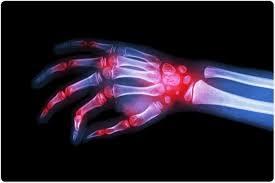
Rheumatic diseases are often misunderstood, yet they affect millions globally. These conditions involve inflammation of the joints, muscles, and connective tissues — sometimes even the body’s vital organs. Rheumatology is the field dedicated to diagnosing and treating these diseases, helping patients regain comfort, mobility, and confidence in their daily lives.
What Happens in Rheumatic Diseases
In rheumatic diseases, the immune system turns against the body’s own tissues. This autoimmune response causes chronic inflammation that leads to swelling, redness, and stiffness. Over time, it can damage cartilage, ligaments, and bones, making movement difficult and painful.
Such conditions often progress slowly, which is why many patients mistake early symptoms for fatigue or minor aches. However, early intervention can significantly change the course of the disease.
Key Conditions Treated in Rheumatology
-
Rheumatoid Arthritis: Affects multiple joints symmetrically and can lead to permanent joint deformities.
-
Psoriatic Arthritis: Associated with the skin condition psoriasis, causing both skin and joint inflammation.
-
Scleroderma: Involves thickening of the skin and can affect internal organs.
-
Vasculitis: Inflammation of the blood vessels that can reduce blood flow and damage tissues.
-
Lupus: Known for its unpredictable flares, affecting joints, skin, and organs.
Recognizing the Symptoms Early
Early detection is vital for effective management. Common symptoms include persistent joint pain, swelling, fatigue, and morning stiffness lasting more than an hour. Some patients also experience fever, rashes, or unexplained weight loss — all signs that the immune system may be involved.
Modern Treatment Approaches
Rheumatology has evolved greatly with modern medicine. Today, treatment focuses on reducing inflammation, controlling immune activity, and preventing joint damage.
Common treatment options include:
-
NSAIDs and corticosteroids for temporary relief.
-
DMARDs and biologics to control autoimmune reactions.
-
Physical and occupational therapy to improve strength and mobility.
-
Surgical interventions in severe joint damage cases.
Regular follow-ups with a rheumatologist ensure that medications are adjusted as needed and side effects are monitored.
Self-Care and Lifestyle Support
Living with a rheumatic condition can be challenging, but with the right care plan, patients can lead fulfilling lives. Gentle exercises, stretching routines, and relaxation techniques help reduce stiffness and improve mood.
A diet rich in antioxidants, whole grains, fresh vegetables, and fish oils may help control inflammation naturally. Adequate sleep, stress management, and mindfulness also play a significant role in keeping the immune system balanced.
Emotional and Social Well-being
Rheumatic diseases don’t just affect the body — they impact emotions too. Chronic pain and fatigue can lead to frustration or anxiety. Joining support groups and engaging with others who share similar experiences can provide comfort and motivation. Healthcare providers also encourage counseling and stress-reduction activities to improve mental resilience.
The Future of Rheumatology
Thanks to medical research, the future looks bright for rheumatology patients. Targeted therapies and personalized treatment plans are making it possible to control symptoms more effectively than ever before. With ongoing innovation, remission — once a distant dream — is now achievable for many.
Conclusion
Living with a rheumatic disease is not easy, but it’s manageable. With the right medical care, lifestyle changes, and emotional support, patients can enjoy a better quality of life. Rheumatology isn’t just about treating pain — it’s about restoring movement, independence, and hope.
If you or someone you know struggles with persistent joint or muscle pain, seek medical advice early. The earlier the diagnosis, the greater the chance of living pain-free and active for years to come.

 English
 Arabic
 Spanish
 Portuguese
 Deutsch
 Turkish
 Dutch
Dutch
 Italiano
 Russian
 Romaian
 Portuguese (Brazil)
 Tiếng Việt