


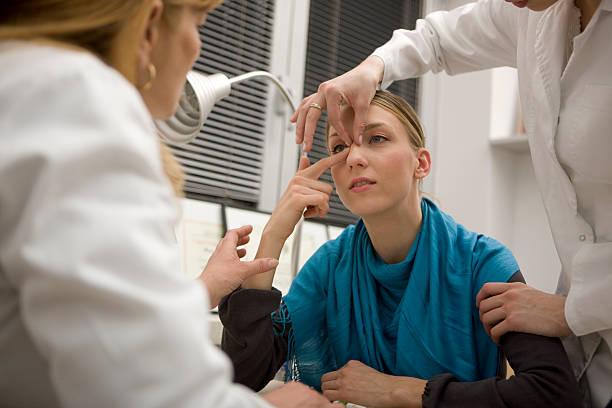
A saddle nose deformity is a noticeable depression or collapse of the nasal bridge, often affecting both appearance and function. This condition can be congenital, trauma-induced, or the result of prior surgery. Many patients in Saudi Arabia seek Rhinoplasty in Riyadh (تكلفة تجميل الانف في السعودية) to restore a natural nasal profile, improve breathing, and regain facial balance. Modern rhinoplasty techniques are highly effective at correcting saddle nose deformities, providing both structural support and aesthetic enhancement.
Understanding Saddle Nose Deformity
What is a Saddle Nose?
A saddle nose is characterized by a sunken bridge, often giving the nose a concave appearance. This can range from mild to severe and may also affect tip projection, nasal symmetry, and airflow.
Causes of Saddle Nose
-
Trauma: Accidents or injuries that fracture the nasal bones.
-
Congenital Conditions: Some individuals are born with underdeveloped nasal structures.
-
Previous Surgery: Over-resection of cartilage or bone in prior rhinoplasty can lead to collapse.
-
Diseases or Infections: Rare conditions like untreated infections or autoimmune disorders may weaken nasal support.
How Rhinoplasty Corrects Saddle Nose
Structural Reconstruction
Rhinoplasty for saddle nose involves rebuilding the nasal bridge using grafts, usually cartilage or bone. Cartilage grafts are often harvested from the septum, ear, or rib to provide support and restore the nose’s natural contour.
Dermal and Cartilage Grafting
Dermal grafts may also be used in combination with cartilage to smooth the nasal bridge, fill depressions, and enhance symmetry. These grafts provide additional reinforcement for long-lasting results.
Functional Restoration
Beyond aesthetics, rhinoplasty addresses functional issues such as restricted airflow caused by bridge collapse. By restoring structural support, patients often experience improved breathing and nasal stability.
Surgical Planning and Techniques
Personalized Assessment
Each saddle nose is unique, requiring careful evaluation of cartilage quality, bridge collapse, and facial proportions. Surgeons plan graft placement, tip refinement, and contouring to achieve both functional and cosmetic outcomes.
Advanced Techniques
Techniques like dorsal onlay grafts, spreader grafts, and columellar struts help reconstruct the nasal framework. Suturing methods further refine tip projection and symmetry while supporting the bridge.
Recovery Considerations
Swelling and mild bruising are expected during the initial weeks. The reconstructed nasal bridge stabilizes over several months, and proper post-operative care ensures the grafts integrate fully and maintain the corrected shape.
Choosing the Right Clinic in Riyadh
Correcting a saddle nose requires advanced expertise in both cosmetic and functional rhinoplasty. Choosing a reputable clinic ensures safe surgery, precise reconstruction, and natural results. Royal Clinic Saudia specializes in complex rhinoplasty procedures, including saddle nose correction, offering tailored solutions for each patient’s anatomy.
Book Your Consultation
If you are considering correction for a saddle nose deformity, book an appointment at Royal Clinic Saudia (عيادات رويال كلينك). Experienced surgeons will evaluate your nasal structure and recommend a personalized plan to restore natural aesthetics and improve nasal function.
FAQs:
Can rhinoplasty correct saddle nose deformity?
Yes, rhinoplasty can reconstruct a collapsed nasal bridge using cartilage or dermal grafts, restoring both appearance and function.
Where is cartilage harvested for saddle nose correction?
Cartilage is commonly taken from the septum, ear, or rib. The choice depends on the amount and strength required for proper support.
Is recovery longer for saddle nose rhinoplasty?
Recovery may be slightly longer than standard rhinoplasty due to graft integration and tissue healing, but most patients return to normal activities within a few weeks.
Will correcting a saddle nose improve breathing?
Yes, restoring structural support improves nasal airflow, especially if the collapse previously obstructed the nasal passages.

 English
 Arabic
 French
 Spanish
 Portuguese
 Deutsch
 Turkish
 Dutch
Dutch
 Italiano
 Russian
 Romaian
 Portuguese (Brazil)