


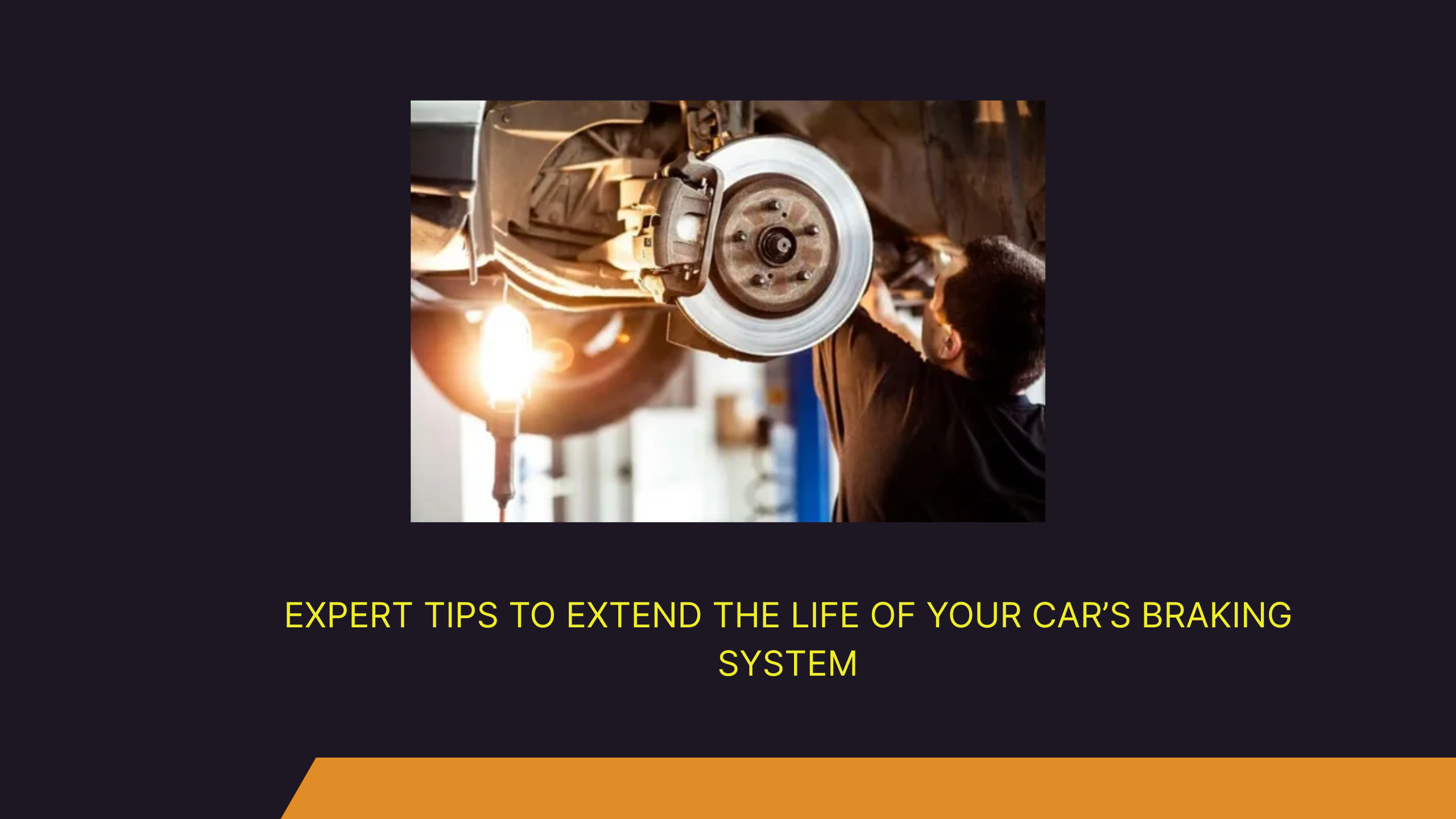
Your car’s braking system is one of the most critical components for safety and control. It works under constant stress, especially in regions with heavy traffic, high temperatures, and frequent stop-and-go driving. While brakes are designed to withstand regular use, their lifespan largely depends on how well they are maintained and how the vehicle is driven. Understanding the factors that affect brake wear and following expert recommendations can help extend the life of your braking system while ensuring consistent performance.
NOTE:- Brake Service UAE was delivered with a strong focus on safety and performance. Vehicles were thoroughly inspected, and worn components were carefully addressed to ensure reliable braking. Customers experienced smoother control and confidence on the road. For dependable care, drivers were encouraged to book their service today with Arabian Star Tyre.
Understanding How the Braking System Works
The braking system functions by converting kinetic energy into heat through friction. When you press the brake pedal, brake pads clamp down on the rotors, creating friction that slows the wheels. Over time, this friction naturally wears down components such as brake pads, discs, and calipers. Heat, dust, and moisture further accelerate this wear. Knowing how these parts interact makes it easier to understand why proper care and timely maintenance are essential.

Adopting Smooth and Controlled Driving Habits
Driving behavior plays a major role in brake longevity. Sudden braking, tailgating, and aggressive acceleration increase the strain on brake components. Smooth driving, on the other hand, allows the braking system to work efficiently with less stress. Maintaining a safe following distance gives you more time to slow down gradually, reducing excessive friction and heat buildup. Anticipating traffic flow and braking early at signals can significantly reduce unnecessary wear.
Paying Attention to Early Warning Signs
Brakes usually provide warning signs before serious problems develop. Unusual noises such as squealing or grinding, vibrations while braking, or a soft brake pedal often indicate underlying issues. Ignoring these signs can lead to more extensive damage and higher repair costs. Addressing minor concerns early helps prevent further wear on related components and extends the overall life of the braking system.
Importance of Regular Brake Inspections
Routine inspections are crucial for identifying wear before it becomes a safety concern. Professional technicians can measure brake pad thickness, inspect rotors for warping, and check the condition of brake fluid. Regular inspections ensure that small issues are resolved promptly, preventing uneven wear and maintaining balanced braking performance. Consistent checkups also help drivers plan maintenance in advance rather than dealing with unexpected failures.
Choosing High Quality Brake Components
The quality of brake parts has a direct impact on durability and performance. Low quality pads and discs may wear out quickly and produce excessive heat, leading to faster rotor damage. High quality components are designed to withstand extreme temperatures and provide consistent friction. While premium parts may have a higher initial cost, they often last longer and reduce the need for frequent replacements, making them more cost effective over time.
Maintaining Proper Brake Fluid Levels
Brake fluid plays a vital role in transmitting pressure from the pedal to the braking components. Over time, brake fluid can absorb moisture, reducing its effectiveness and causing internal corrosion. Maintaining the correct fluid level and replacing old fluid at recommended intervals ensures smooth braking response and protects internal components. Clean and effective brake fluid contributes to the overall longevity of the system.
Avoiding Excessive Vehicle Load
Carrying excessive weight places additional strain on the braking system. Heavier loads require more force to slow down, increasing friction and heat. This added stress accelerates wear on brake pads and rotors. Avoiding unnecessary cargo and adhering to the manufacturer’s load recommendations can significantly reduce brake wear and improve overall driving safety.
Keeping Wheels and Brake Components Clean
Dust, dirt, and road debris can accumulate around brake components, affecting performance. Regular vehicle washing and occasional professional cleaning help prevent buildup that may cause uneven wear or corrosion. Clean components operate more efficiently and reduce the risk of premature damage caused by trapped debris.
Long-Term Benefits of Proactive Brake Care
Proactive maintenance not only extends the life of your car’s braking system but also enhances safety and driving comfort. Well-maintained brakes provide consistent stopping power, better control, and peace of mind on the road. Investing time in proper care reduces long-term repair costs and ensures that your vehicle remains reliable under various driving conditions.
For More Insightful Articles Related To This Topic, Feel Free To Visit: Turkhand

 English
 Arabic
 French
 Spanish
 Portuguese
 Deutsch
 Turkish
 Dutch
Dutch
 Italiano
 Russian
 Romaian
 Portuguese (Brazil)