


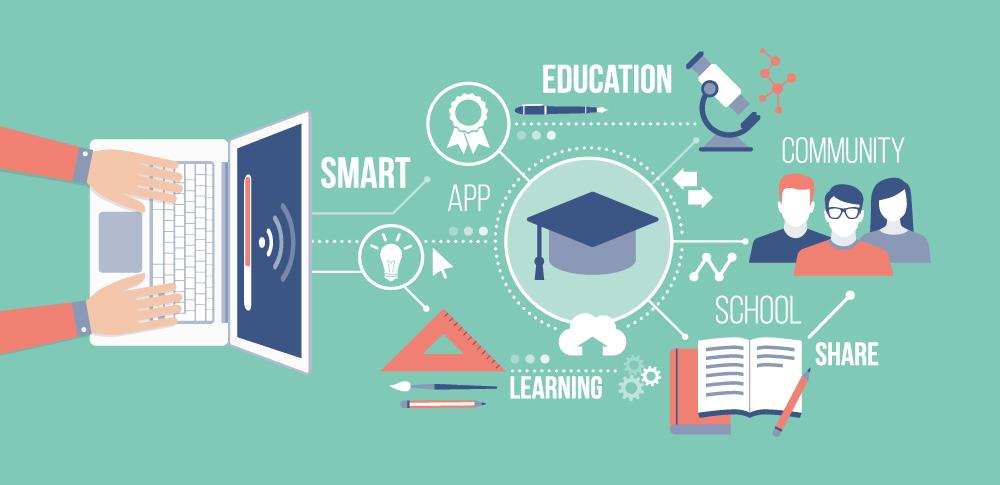
The world of educational technology is in a state of rapid and exciting evolution, moving far beyond simple digital textbooks and online quizzes to embrace a more personalized, immersive, and data-driven future. To understand the direction of this transformative market, it is essential to analyze the key EdTech Market Trends that are defining the next generation of learning solutions. These trends are driven by advancements in AI, the need for more engaging learning experiences, and the shift towards lifelong skills development. The overarching theme is the move away from a "one-size-fits-all" model of education towards a more flexible, student-centric, and effective approach. These developments are not just changing the tools of education; they are changing the very nature of teaching and learning itself.
The single most dominant and impactful trend is the deep and pervasive integration of Artificial Intelligence (AI) into the learning process. This is the key to unlocking true personalization at scale. The most powerful application of this is "adaptive learning." AI-powered platforms can continuously assess a student's understanding and progress in real-time. Based on this assessment, the platform can dynamically adjust the learning path for each individual student, providing them with targeted remediation if they are struggling with a concept, or offering them more advanced challenges if they are excelling. AI is also being used to power "intelligent tutoring systems" that can provide students with one-on-one, conversational help, and to automate the time-consuming task of grading, freeing up teachers to spend more time on direct instruction and mentoring.
Another powerful trend is the move towards more immersive and experiential learning through technologies like Augmented Reality (AR) and Virtual Reality (VR). Instead of just reading about a historical event or a scientific concept, students can now experience it. A VR headset can transport a class on a virtual field trip to the Amazon rainforest or the surface of the moon. An AR application can allow a medical student to explore a detailed, interactive 3D model of the human anatomy. This kind of hands-on, immersive learning is not only far more engaging than traditional methods, but it has also been shown to lead to significantly better understanding and knowledge retention. As the hardware becomes more affordable and accessible, immersive learning is poised to move from a niche application to a mainstream educational tool.
Finally, a critical trend is the increasing focus on micro-learning and skills-based credentialing to support lifelong learning. In a fast-changing economy, the traditional model of a four-year degree is no longer sufficient to keep a worker's skills current. The trend is towards a model of continuous learning, where individuals acquire new skills through shorter, more focused, and often online, "micro-credentials" or "nanodegrees." EdTech platforms are catering to this trend by offering a vast library of modular, on-demand courses focused on specific, in-demand job skills, from coding and data science to digital marketing and project management. This unbundling of education into smaller, more flexible, and career-oriented units is a major trend that is reshaping both higher education and corporate training.
Other Exclusive Reports:
Mobile Satellite Services Market

 English
 Arabic
 French
 Spanish
 Portuguese
 Deutsch
 Turkish
 Dutch
Dutch
 Russian
 Romaian
 Portuguese (Brazil)
 Tiếng Việt