


Money laundering and financial fraud are serious problems that can affect any economy. Businesses that deal with large amounts of money or sensitive financial transactions are at higher risk. To protect themselves and stay legally compliant, many businesses turn to AML compliance services .
AML stands for Anti-Money Laundering , and AML compliance services help companies detect, prevent, and report illegal financial activities. In this blog, we will explain which businesses require AML compliance the most , why it matters, and how these services help protect companies and customers.
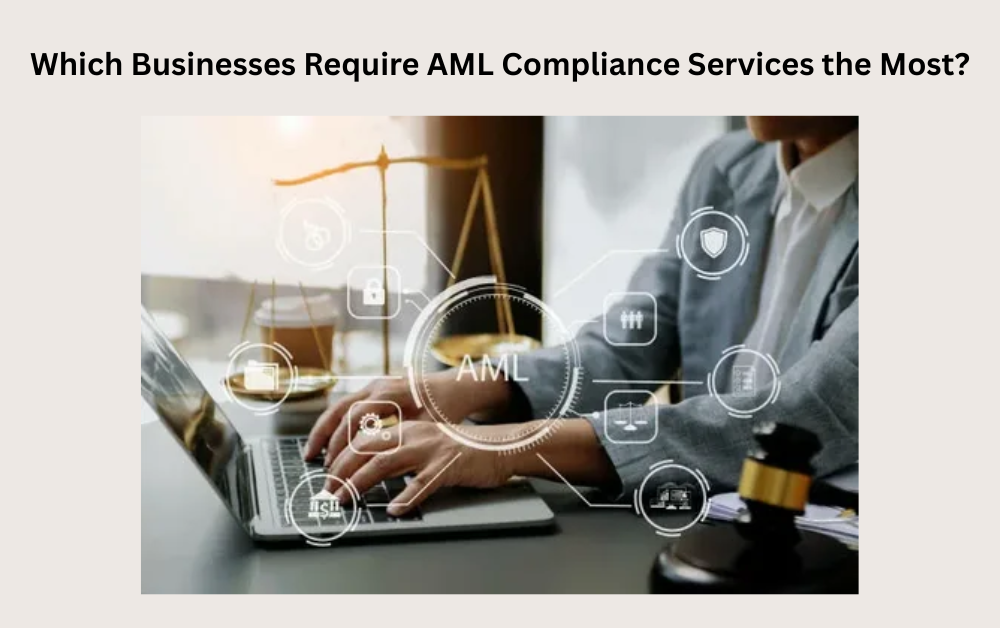
Note: Professional AML compliance services in Dubai helping businesses prevent financial crimes, ensure regulatory compliance, and maintain trust with clients and authorities.
Understanding AML Compliance

What Is AML Compliance?
AML compliance refers to the following laws and regulations designed to prevent money laundering, terrorism financing, and other financial crimes. Businesses must identify suspicious transactions, monitor client activities, and report any unusual activities to authorities.
Why AML Compliance Is Important
Non-compliance can lead to heavy fines, legal penalties, and damage to business reputation. AML compliance ensures:
-
Legal protection for the company
-
Safer business operations
-
Trust from clients, investors , and authorities
Financial Institutions
Banks and Credit Unions
Banks handle large volumes of money and process many transactions daily. They are a primary target for money launderers. AML compliance services help banks:
-
Monitor customer accounts
-
Detect unusual transactions
-
Report suspicious activity to regulators
Investment Firms and Brokerages
Investment companies manage client funds and assets. Money laundering risks are high in these businesses. AML compliance ensures:
-
Verification of clients’ identities
-
Monitoring large or unusual investment transactions
-
Compliance with regulatory reporting standards
Payment Processors and FinTech Companies
Companies that process digital payments or online transactions face AML risks, especially from international transfers. AML compliance services help:
-
Screen transactions for suspicious activity
-
Implement secure digital payment monitoring systems
-
Maintain records for audits
Real Estate Businesses
Why Real Estate Is High-Risk
Real estate involves large sums of money and can be used to launder funds. Property purchases or sales can hide illicit financial activities.
How AML Compliance Helps
AML compliance services in real estate include:
-
Identifying the source of client funds
-
Monitoring property transactions
-
Reporting suspicious activities to authorities
Who Needs It in Real Estate
-
Real estate agents and brokers
-
Property developers
-
Rental and leasing companies
Luxury Goods and High-Value Items Dealers
Industries at Risk
Businesses that sell luxury goods, such as jewelry, precious metals, art, and collectibles, often deal with cash or high-value items.
AML Measures for These Businesses
AML compliance services help:
-
Verify client identities
-
Track payments and cash transactions
-
Report suspicious or unusually large transactions
Why It Matters
Criminals may use luxury goods to move or hide illicit money. Compliance services protect the business from legal and financial risks.
Casinos and Gambling Services
Gambling and AML Risks
Casinos, online betting platforms, and gaming companies are high-risk areas for money laundering. Large cash deposits and withdrawals create opportunities for criminals.
AML Compliance Solutions
AML compliance services in gambling businesses include:
-
Customer verification procedures (KYC – Know Your Customer)
-
Monitoring high-value bets and withdrawals
-
Reporting suspicious transactions to regulatory authorities
Benefits for Casinos and Gaming Platforms
-
Prevents fines and regulatory penalties
-
Protects reputation
-
Ensures safe and transparent operations
Money Transfer and Remittance Services
Why These Businesses Are Targeted
Money transfer services, including remittance companies and digital wallet providers, often handle cross-border transactions. These transactions are vulnerable to laundering or illegal activity.
How AML Compliance Helps
AML services help these companies:
-
Screen customers and transactions
-
Monitor international money flows
-
Report suspicious activity quickly
Businesses That Benefit
-
Remittance agencies
-
Peer-to-peer payment platforms
-
Online money transfer services
Cryptocurrency and Blockchain Companies
AML Risks in Crypto
Cryptocurrency exchanges and blockchain platforms are emerging high-risk sectors. Anonymous or untraceable transactions increase the risk of money laundering.
AML Compliance Measures
AML services for crypto businesses include:
-
Customer identity verification (KYC)
-
Monitoring blockchain transactions for suspicious patterns
-
Reporting high-risk or unusual transactions
Importance of Compliance
Following AML regulations builds trust with clients and regulatory authorities, reducing legal risks.
Professional Service Providers
Lawyers and Accountants
Professional service providers, including law firms and accounting firms, may unintentionally facilitate money laundering if they handle client funds without proper monitoring.
How AML Compliance Services Help
-
Implement client verification systems
-
Monitor fund transfers and transactions
-
Maintain detailed records for audits
Benefits
Protects professionals from legal liability and maintains credibility in the market.
E-Commerce and Online Marketplaces
AML Risks in Online Businesses
E-commerce platforms handle large volumes of payments, sometimes anonymously. Fraudulent transactions and laundering activities can occur without proper monitoring.
AML Compliance Solutions
-
Verify buyers and sellers
-
Monitor suspicious payment patterns
-
Report unusual activity to regulators
Who Needs It
-
Online marketplaces
-
E-commerce payment processors
-
Subscription-based digital services
Key Benefits of AML Compliance Services for Businesses
Legal Protection
Complying with AML regulations helps businesses avoid fines, penalties, and legal issues.
Reputation and Trust
Customers, investors, and partners trust businesses that actively prevent financial crimes.
Risk Reduction
AML compliance reduces the risk of fraud, money laundering, and financial losses.
Operational Efficiency
Monitoring systems and proper record-keeping improve overall business operations.
Conclusion
AML compliance services are essential for businesses that handle large volumes of money, high-value items, or sensitive financial transactions. The most affected sectors include financial institutions, real estate, luxury goods dealers, casinos, money transfer services, cryptocurrency companies, professional service providers, and e-commerce platforms .
Implementing AML compliance services helps businesses stay legally compliant, prevent financial crimes, maintain trust, and reduce operational risks . For companies operating in high-risk industries, professional AML compliance services are not just a legal requirement—they are a crucial investment in the long-term safety and growth of the business.
For more insightful articles related to this topic, feel free to visit : turkhand.org

 English
 French
 Spanish
 Portuguese
 Deutsch
 Turkish
 Dutch
Dutch
 Italiano
 Russian
 Romaian
 Portuguese (Brazil)
 Tiếng Việt