


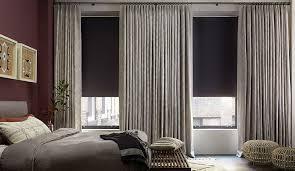
Windows are more than just architectural features—they connect your indoor spaces to the outside world. However, without the right window treatments, they can compromise privacy, light control, and even energy efficiency. This is where window treatment solutions come into play. From elegant draperies to smart motorized blinds, today’s options combine aesthetics and practicality, helping you create a comfortable and visually appealing environment.
In this guide, we’ll explore the best window treatment ideas, materials, and technologies to help you design spaces that reflect your lifestyle and interior design goals.
1. What Are Window Treatments?
Window treatments are coverings or modifications added to windows to manage light, privacy, insulation, and style. They range from hard treatments like blinds, shutters, and shades to soft treatments like curtains, drapes, and valances. The right choice depends on your aesthetic preferences, functional needs, and the atmosphere you want to create in your home or office.
2. Types of Window Treatment Solutions
a. Blinds
Blinds are among the most popular window treatment solutions due to their versatility. They feature adjustable slats made from materials such as wood, metal, or PVC, allowing precise control over light and privacy.
-
Venetian Blinds: Horizontal slats that can tilt and lift—perfect for modern interiors.
-
Vertical Blinds: Ideal for sliding doors and large windows.
-
Mini Blinds: Compact and cost-effective options for small windows or offices.
Why choose blinds? They are easy to clean, durable, and available in a variety of finishes to complement any décor.
b. Shades
Shades offer a softer look compared to blinds. They are made from continuous fabric that rolls, folds, or stacks when raised.
-
Roller Shades: Minimalist and sleek, ideal for contemporary designs.
-
Roman Shades: Add elegance with soft folds and a tailored appearance.
-
Cellular (Honeycomb) Shades: Energy-efficient options that trap air for insulation.
-
Solar Shades: Filter sunlight while preserving outdoor views—great for offices and living rooms.
Pro tip: Combine blackout shades in bedrooms for optimal light blocking and restful sleep.
c. Curtains and Drapes
Curtains and drapes remain timeless window treatments, offering unmatched versatility in design, color, and texture.
-
Curtains: Usually lighter in fabric and used for decorative or casual settings.
-
Drapes: Heavier, lined fabrics perfect for formal spaces or insulation purposes.
You can enhance their elegance with curtain rods, tiebacks, and valances for a complete look.
Style idea: Layer sheer curtains with blackout drapes for depth, dimension, and flexible light control.
d. Shutters
Shutters are sturdy, custom-fit window coverings made of wood, composite, or vinyl. They are mounted permanently, offering excellent privacy and light regulation.
-
Plantation Shutters: Feature wide louvers and are highly energy-efficient.
-
Café Shutters: Cover the lower half of the window, balancing light and privacy.
Bonus: Shutters can increase property value due to their durability and elegant appearance.
e. Smart & Motorized Window Treatments
Modern homes are embracing smart window treatments that can be controlled via remote, smartphone, or voice assistants like Alexa or Google Home.
-
Ideal for hard-to-reach windows or large homes.
-
Enable automated schedules for light control and energy efficiency.
-
Integrate with home automation systems for convenience and security.
Example: Motorized roller shades can automatically close at sunset to maintain privacy and reduce heat loss.
3. Choosing the Right Window Treatment for Your Space
When selecting the best window treatment solutions, consider the following factors:
a. Functionality
Do you need to block light, ensure privacy, or add decorative flair?
-
For privacy, choose blackout drapes or cellular shades.
-
For light filtering, go with sheer curtains or solar shades.
-
For energy efficiency, cellular or thermal drapes work best.
b. Room Type
Each room has different needs:
-
Living Room: Combine style and functionality—Roman shades or layered curtains.
-
Bedroom: Blackout drapes for a cozy, restful atmosphere.
-
Kitchen: Easy-to-clean materials like faux wood blinds.
-
Bathroom: Moisture-resistant shades or vinyl shutters.
c. Design Aesthetic
Your window treatments should complement your décor style:
-
Modern Homes: Roller shades, sleek blinds, or minimalistic drapes.
-
Classic Interiors: Heavy draperies with elegant curtain rods.
-
Rustic or Farmhouse: Wooden blinds or natural woven shades.
-
Coastal Style: Light, airy sheers and bamboo shades.
4. Energy Efficiency and Sustainability
Eco-friendly homeowners are increasingly turning to sustainable window treatment solutions.
-
Cellular shades help trap air and reduce energy loss.
-
Bamboo or jute shades offer natural, renewable alternatives.
-
Motorized systems can optimize natural light, reducing the need for artificial lighting.
In addition, energy-efficient window coverings can lower your heating and cooling costs, helping both your wallet and the environment.
5. Custom Window Treatment Solutions
Every window is unique—standard sizes don’t always fit perfectly. That’s why custom window treatments are becoming popular. Professional designers can tailor blinds, shades, or draperies to your exact dimensions, ensuring a flawless fit.
Custom options allow you to:
-
Choose from a wide range of fabrics, textures, and finishes.
-
Integrate brand colors or themes for commercial spaces.
-
Enhance visual harmony throughout your interior design.
6. Maintenance and Care Tips
Proper care extends the lifespan of your window coverings:
-
Dust blinds regularly with a microfiber cloth.
-
Vacuum drapes and curtains using an upholstery attachment.
-
Spot clean shades with mild soap and water.
-
For smart systems, ensure motor maintenance and app updates regularly.
Routine upkeep keeps your treatments looking fresh and performing efficiently.
7. The Future of Window Treatments
With advances in technology and materials, the future of window treatment solutions is smarter and more sustainable. Expect innovations such as:
-
AI-driven light sensors that adjust treatments automatically.
-
Eco-conscious fabrics made from recycled materials.
-
Integrated solar panels in shades for energy generation.
These developments will transform how homeowners interact with light, privacy, and comfort in their living spaces.
Conclusion
Window treatment solutions are more than decorative accessories—they’re vital design elements that define comfort, beauty, and efficiency. Whether you prefer classic draperies, sleek blinds, or smart automated shades, the right choice will elevate your space’s ambiance and functionality.
Investing in quality window coverings is an investment in lifestyle—bringing balance, elegance, and innovation to every room in your home.

 English
 Arabic
 French
 Spanish
 Portuguese
 Deutsch
 Dutch
Dutch
 Italiano
 Russian
 Romaian
 Portuguese (Brazil)
 Tiếng Việt