


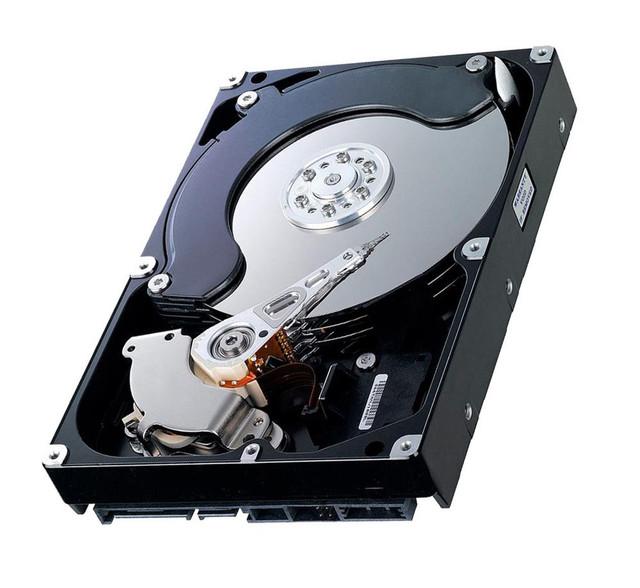
A laptop hard drive is one of the most essential components in modern computing. It serves as the primary storage unit where all data, including the operating system, software, and personal files, are kept. As technology continues to advance, the demand for faster, more reliable, and higher-capacity laptop hard drives has significantly increased. Whether you are a student, gamer, or professional, the right hard drive can make a substantial difference in your laptop’s performance and overall productivity.
Types of Laptop Hard Drives
There are primarily two types of laptop hard drives—HDD (Hard Disk Drive) and SSD (Solid State Drive). HDDs are traditional drives that use spinning magnetic disks to store data. They are known for offering large storage capacities at affordable prices. SSDs, on the other hand, use flash memory to store information, making them much faster, more durable, and energy-efficient compared to HDDs. Many modern laptops now come equipped with SSDs because of their speed advantage, while hybrid drives (SSHDs) combine the benefits of both technologies for improved performance.
Performance and Speed
The performance of a laptop hard drive largely depends on the speed and type of its hard drive. SSDs provide almost instant data access and boot times, significantly reducing delays in opening programs and transferring files. For heavy tasks like gaming, video editing, and multitasking, SSDs deliver superior performance. However, for users who require extensive storage for large files such as movies or backup data, high-capacity HDDs remain a practical choice.
Durability and Reliability
Durability is another critical factor when choosing a laptop hard drive. Since laptops are portable and prone to movement, HDDs can be more vulnerable to physical damage due to their moving parts. SSDs, being solid-state with no mechanical components, are more resistant to shock, vibration, and heat. This makes them a reliable choice for users who travel frequently or use their laptops in various environments.
Storage Capacity and Upgrades
Modern laptop hard drives come in various storage capacities ranging from 256GB to several terabytes. The choice depends on the user’s needs and budget. For general users, a 512GB SSD provides an excellent balance between speed and capacity. Power users and gamers, however, may prefer 1TB or higher. Additionally, upgrading a laptop hard drive has become easier, allowing users to expand their storage or switch from HDD to SSD for better performance.
Conclusion
In the ever-evolving world of IT Hardware and Computer Hardware, the laptop hard drive plays a vital role in determining the system’s efficiency and lifespan. Choosing the right drive—whether HDD, SSD, or hybrid—depends on your storage needs, performance expectations, and usage habits. As laptops continue to evolve, future hard drives will likely offer even greater speed, capacity, and energy efficiency, ensuring that modern computing remains both powerful and reliable.

 English
 French
 Spanish
 Portuguese
 Deutsch
 Turkish
 Dutch
Dutch
 Italiano
 Russian
 Romaian
 Portuguese (Brazil)
 Tiếng Việt